Geometric Simple Patterns: A Minimalist Design Solution
Geometric simple patterns offer a clean and elegant approach to design, combining the beauty of minimalism with the versatility of geometric shapes. These patterns are ideal for a wide range of applications, from digital mockups to physical prints. With their straightforward structure and adaptable nature, they provide an excellent foundation for creative projects across various industries.
Understanding Geometric Simple Patterns
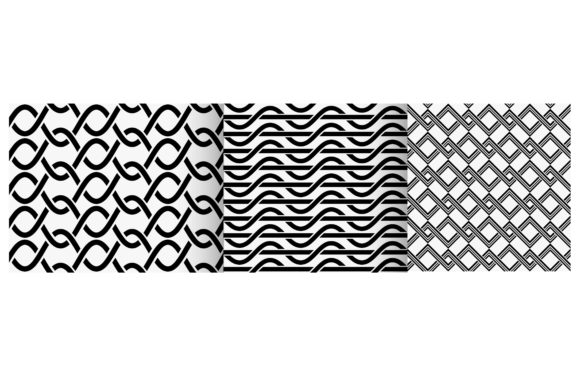
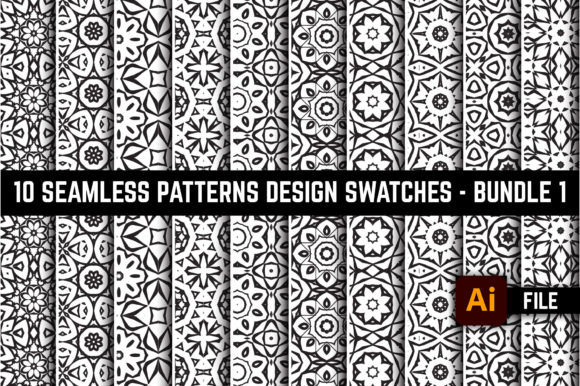
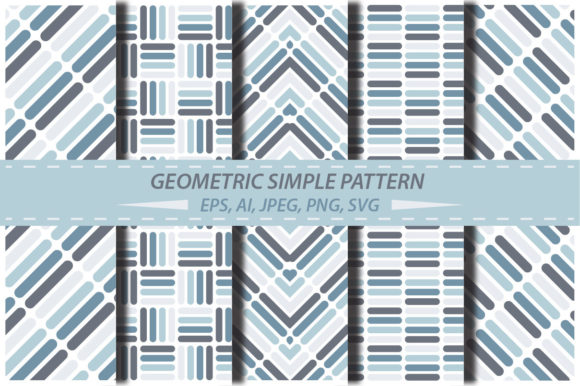
Geometric simple patterns are characterized by their use of basic shapes such as rectangles, circles, triangles, and lines. These elements are arranged in a structured and repetitive manner to create visually appealing designs. The focus is on simplicity, symmetry, and balance, making them perfect for those who prefer a streamlined aesthetic.
Unlike complex or intricate patterns, geometric simple patterns emphasize clarity and functionality. They are often used in modern interior design, fashion, and graphic arts to add visual interest without overwhelming the viewer. Their minimalist approach makes them easy to integrate into different design schemes and color palettes.
Key Features of Geometric Simple Patterns
- Rectangular Shapes: The foundation of many geometric simple patterns, rectangles provide a strong and stable base for design compositions.
- Repetition and Symmetry: Patterns are often created through repetition of shapes, leading to a sense of rhythm and order.
- Color Versatility: These patterns can be adapted to suit various color schemes, making them flexible for different projects.
- Scalability: Designed for high-quality output, they maintain clarity and detail at any size, whether for small prints or large-scale applications.
Applications of Geometric Simple Patterns
The adaptability of geometric simple patterns makes them suitable for numerous uses. Whether you're a designer, a business owner, or a creative individual, these patterns can enhance your work in multiple ways.
Wallpaper and Interior Design
Geometric simple patterns are a popular choice for wallpaper due to their ability to add texture and depth to a space. They can transform a plain wall into a focal point without being too distracting. For interior designers, these patterns offer a way to introduce visual interest while maintaining a cohesive and modern look.
Printed Materials
From book covers to clothing, geometric simple patterns are widely used in printed materials. Their clean lines make them ideal for logos, illustrations, and decorative elements. For example, a designer might use a geometric pattern on a tote bag or a handkerchief to create a unique and stylish product.
Graphic Design and Digital Mockups
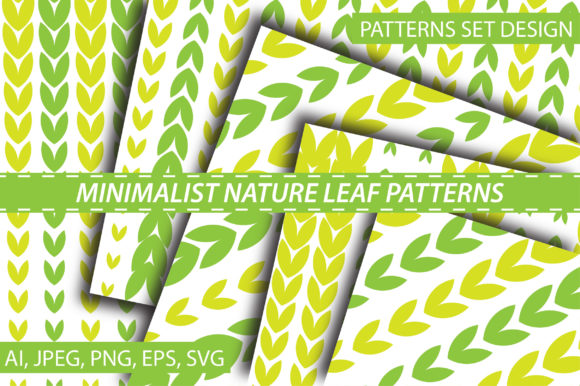
These patterns are also valuable in digital design. They can serve as background elements in web layouts, app interfaces, or social media graphics. Their simplicity ensures they don’t compete with other design elements, allowing the main content to stand out.
Benefits of Using Geometric Simple Patterns
There are several advantages to incorporating geometric simple patterns into your design work. Their versatility and ease of use make them a practical choice for both beginners and professionals.
Enhanced Visual Appeal
Geometric simple patterns can elevate the look of any project by adding structure and sophistication. They help create a sense of order and harmony, which is essential in design.
Time Efficiency
Because these patterns are based on simple shapes and structures, they are quick to create and modify. This makes them ideal for projects with tight deadlines or when experimenting with different design ideas.
Wide Range of Uses
Whether you're working on a personal project or a commercial product, geometric simple patterns can be tailored to fit your needs. Their flexibility allows them to be used in both digital and physical formats, offering endless possibilities for creativity.
Considerations and Limitations
While geometric simple patterns have many benefits, it's important to consider their limitations. They may not be suitable for every design scenario, especially when a more complex or detailed pattern is required.
Additionally, the effectiveness of these patterns depends on how they are applied. Overuse or improper placement can lead to a cluttered or unbalanced look. It’s essential to understand the principles of design to maximize their impact.
How to Choose the Right Pattern for Your Needs
Selecting the right geometric simple pattern involves understanding your project requirements and design goals. Here are some steps to help you evaluate suitability:
- Define Your Purpose: Determine what the pattern will be used for—whether it's for a wall, clothing, or digital design.
- Consider the Scale: Ensure the pattern works well at the intended size and resolution.
- Test Different Options: Experiment with various designs to see which one best complements your project.
- Check Compatibility: Make sure the pattern integrates smoothly with other design elements and color schemes.
Final Thoughts
Geometric simple patterns offer a powerful and practical solution for a wide range of design applications. Their minimalist approach, combined with their adaptability, makes them a valuable tool for creators and professionals alike. By understanding their features and potential, you can effectively incorporate them into your work and achieve a polished and professional result.
If you're looking for high-quality geometric simple patterns, explore the available options that include JPEG, PNG, SVG, EPS, and AI files. These formats ensure that you can use the patterns in various projects, from digital mockups to physical prints. Don't forget to follow for updates on new designs and additional resources.