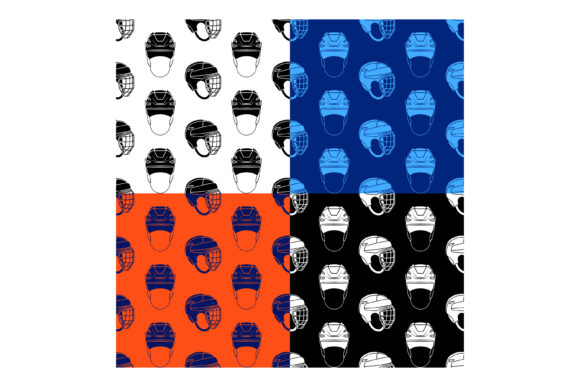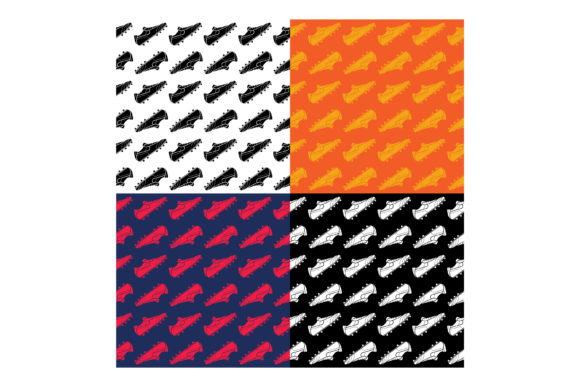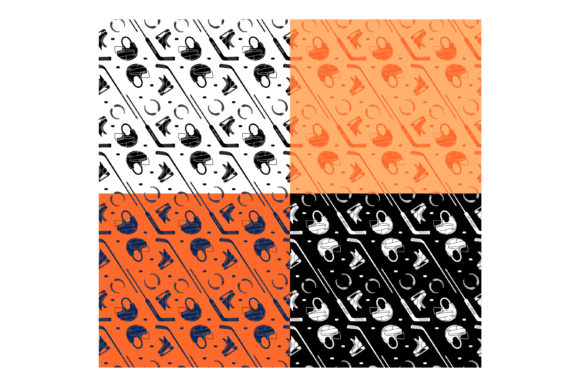
Patterns with Clubs, Helmets, Ice Hockey
Patterns with clubs, helmets, ice hockey pucks, and laurel wreaths offer a unique blend of sports imagery and decorative art. These seamless patterns are ideal for designers, artists, and creators looking to infuse energy, tradition, and style into their work. Whether you're designing fabric for apparel, creating graphics for marketing, or developing custom prints for home decor, these elements provide a versatile foundation for creative expression.
The combination of iconic sports symbols—clubs, helmets, pucks, and laurel wreaths—creates a visual language that speaks to both the competitive spirit and the elegance of athletic achievement. This mix of strong, recognizable shapes and symbolic motifs allows for endless design possibilities, from bold and dynamic compositions to subtle and refined arrangements.
Why These Patterns Work
What makes these patterns particularly compelling is their ability to bridge the gap between sport and aesthetics. The club, a symbol of power and strategy, pairs well with the helmet, representing protection and identity. The hockey puck, a central element in the game, adds movement and energy, while the laurel wreath brings a touch of historical prestige and celebration. Together, they form a cohesive set that can be adapted to various styles and purposes.
These elements also lend themselves well to vector design, ensuring clarity and scalability across different formats. Whether used in print, digital media, or textile applications, the clean lines and defined shapes maintain their integrity at any size. This makes them especially useful for designers who need high-quality assets that can be easily modified and applied to multiple projects.
Creative Applications and Ideas
Designers can use these patterns in a variety of ways. For instance, in fashion, they might create a collection inspired by winter sports, incorporating the motifs into jackets, scarves, or accessories. In graphic design, the elements could serve as background textures or recurring visual themes for promotional materials, event branding, or merchandise.
For interior design, these patterns could be used on throw pillows, curtains, or wall art, adding a touch of sporty flair to living spaces. They also work well in editorial design, where they can be used to illustrate articles about sports history, team identities, or cultural influences.
Marketers and entrepreneurs can leverage these patterns for branded products, such as limited edition merchandise, promotional items, or packaging designs. The visual appeal of the elements helps to create a memorable brand presence, especially for businesses targeting sports enthusiasts or those interested in retro or vintage aesthetics.
Adapting for Different Audiences and Goals
The versatility of these patterns means they can be tailored to suit different audiences and objectives. For example, a designer working with a younger demographic might focus on vibrant color schemes and modern layouts, while a more traditional audience might appreciate minimalist approaches with muted tones and classic typography.
For educators and students, these patterns can serve as a starting point for lessons on graphic design, symbolism, and visual storytelling. They provide a tangible way to explore how design elements convey meaning and evoke emotion. In this context, the patterns become tools for learning and experimentation.
Freelancers and small business owners can benefit from using these patterns in their portfolios or client projects. By showcasing their ability to adapt and reinterpret common design elements, they demonstrate creativity and technical skill. This can help attract clients looking for unique, high-quality visuals that stand out in a crowded market.
Best Practices for Effective Design
To ensure your designs remain clear and impactful, it's important to maintain balance and consistency. When using these patterns, consider the scale and placement of each element to avoid overcrowding or visual confusion. Experiment with spacing, layering, and repetition to find a composition that feels natural and engaging.
Color choice plays a significant role in the overall effect of the design. Bold, contrasting colors can make the pattern more eye-catching, while softer, complementary tones can create a more subdued and elegant look. Testing different palettes can help you determine which approach best suits your project’s tone and purpose.
When applying these patterns to fabric or printed materials, pay attention to the texture and quality of the final product. High-resolution vectors ensure sharp details, but the material itself can influence how the pattern appears. Consider factors like fabric type, printing method, and lighting conditions to achieve the desired outcome.
Exploring New Directions
While the core elements of clubs, helmets, ice hockey pucks, and laurel wreaths are powerful on their own, they can also be combined with other design elements to create new interpretations. For example, integrating typography, abstract shapes, or nature-inspired motifs can lead to fresh and innovative designs that push the boundaries of traditional sports-themed art.
Some designers may choose to focus on a specific aspect of the theme, such as the symbolism of the laurel wreath, to create a more focused and meaningful design. Others might explore the contrast between the mechanical precision of a helmet and the organic flow of a wreath, resulting in a visually striking composition.
Ultimately, the key to successful design lies in understanding the purpose of the work and the needs of the audience. Whether you're creating for personal expression, professional use, or commercial application, these patterns offer a rich source of inspiration and functionality.