Patterns with Washing Machine Clothes and Foam Bubbles: A Creative Workflow Tool
In the world of design, manufacturing, and creative workflows, visual elements play a crucial role in communication, branding, and product development. One such element is Patterns with Washing Machine Clothes and Foam Bubbles, a set of seamless patterns that combine household appliances with dynamic, fluid shapes. These patterns are not just aesthetic; they serve as a practical tool for integrating real-world imagery into digital and physical projects.
Whether you're a graphic designer, a product developer, or a content creator, understanding how to use these patterns can enhance your workflow and add a unique touch to your work. This article explores the value of Patterns with Washing Machine Clothes, their applications, and how they fit into broader processes.
What Are Patterns with Washing Machine Clothes?
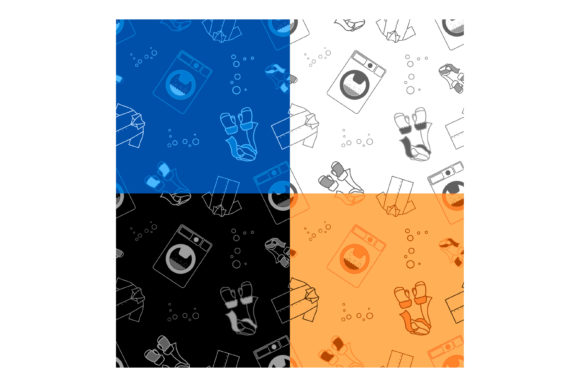
Patterns with Washing Machine Clothes refer to digital assets that feature repeated images of washing machines, clothes, and foam bubbles arranged in a seamless, tileable format. These patterns are often created as vector graphics, allowing for scalability without loss of quality. They are used across various industries, from fashion and interior design to advertising and packaging.
The inclusion of foam bubbles adds an element of motion and energy, making the patterns more engaging and visually dynamic. The isolated vector style ensures that each element is clean, precise, and easy to manipulate within design software.
This type of pattern is particularly useful when working on projects that require a casual, domestic, or industrial feel. It bridges the gap between abstract design and real-life context, offering a versatile tool for visual storytelling.
Integrating Patterns with Washing Machine Clothes into Your Workflow
Understanding when and how to use Patterns with Washing Machine Clothes can significantly improve your design process. Here’s how they can be incorporated at different stages:
Before a Project: Conceptualization and Inspiration
During the early stages of a project, these patterns can serve as a source of inspiration. Whether you're designing a new line of home textiles or creating a marketing campaign around household appliances, the visuals of washing machines and foam bubbles can spark ideas and guide your creative direction.
They can also help in setting the tone for a project. For instance, if you're aiming for a playful or modern aesthetic, these patterns can provide a visual reference point that aligns with your goals.
During a Project: Design and Development
As you move into the design phase, Patterns with Washing Machine Clothes can be used as background elements, textures, or decorative components. Their seamless nature makes them ideal for large-scale designs where repetition is necessary without visible seams.
When working with vector graphics, these patterns can be easily adjusted in terms of size, color, and placement. This flexibility allows for quick iterations and refinements, saving time and effort during the development stage.
After a Project: Presentation and Delivery
Once a project is complete, these patterns can be used to enhance the final output. For example, if you're presenting a design concept to a client, incorporating these patterns into your mockups can make the presentation more engaging and professional.
They can also be used in print materials, such as brochures or packaging, to add visual interest and reinforce the theme of the project. Their high-quality vector format ensures that they look sharp and clear at any size.
How Patterns with Washing Machine Clothes Interact with Other Tools
Patterns with Washing Machine Clothes work well with other design tools and resources. When combined with image editing software like Adobe Photoshop or Illustrator, they can be layered, masked, or modified to suit specific needs.
They also integrate smoothly with design platforms such as Canva, Figma, and Adobe XD, where users can drag and drop patterns directly into their projects. This compatibility makes them accessible to both professionals and beginners.
In addition, these patterns can be paired with typography, icons, and other visual elements to create cohesive and visually appealing compositions. Their versatility allows them to complement a wide range of design styles and themes.
Practical Implementation Tips
To get the most out of Patterns with Washing Machine Clothes, consider the following tips:
- Choose the right scale: Depending on the project, adjust the size of the pattern to ensure it complements the overall design without overwhelming it.
- Experiment with colors: While the original pattern may have a specific color scheme, modifying the hues can help match your brand or project requirements.
- Use layers strategically: In design software, place the pattern on a separate layer so it can be easily edited or removed without affecting other elements.
- Test in different formats: Ensure the pattern looks good in both digital and print formats by testing it at various resolutions and sizes.
By following these guidelines, you can effectively incorporate Patterns with Washing Machine Clothes into your workflow while maintaining quality and consistency.
Factors to Consider for Long-Term Use
When using Patterns with Washing Machine Clothes over time, several factors should be taken into account:
- Preparation: Before using the pattern, ensure it is properly organized and stored. This includes keeping backups and labeling files clearly for easy access.
- Compatibility: Verify that the pattern works with the software and devices you use regularly. This helps avoid technical issues down the line.
- Usability: Assess how easy it is to modify and apply the pattern in different contexts. A user-friendly pattern saves time and reduces frustration.
- Organization: Keep your design assets structured so that you can quickly find and reuse patterns when needed.
- Quality control: Regularly check the pattern for any errors or inconsistencies, especially if it's being used in multiple projects.
By focusing on these factors, you can ensure that Patterns with Washing Machine Clothes remain a valuable and reliable part of your design toolkit.
Real-World Use Cases
Here are a few examples of how Patterns with Washing Machine Clothes can be applied in different scenarios:
- Marketing campaigns: Use the pattern as a background in social media posts or advertisements to create a relatable and engaging visual identity.
- Product packaging: Incorporate the pattern into packaging designs for laundry products or home goods to reinforce brand messaging.
- Interior design: Apply the pattern as a wallpaper or fabric texture in spaces that aim to evoke a sense of comfort and functionality.
- Educational materials: Use the pattern in infographics or presentations to illustrate concepts related to household appliances or cleaning processes.
These use cases demonstrate the broad applicability of Patterns with Washing Machine Clothes and highlight their potential to enhance various types of projects.